Appliance Leak Cleanup in San Marcos, CA
Washer hoses, dishwasher lines and fridge ice-maker tubing fail quietly, often behind the appliance or under cabinets. The mitigation team finds where the water went and dries cabinets, subfloor and walls.
(888) 450-9281Appliance leak spreading? Call now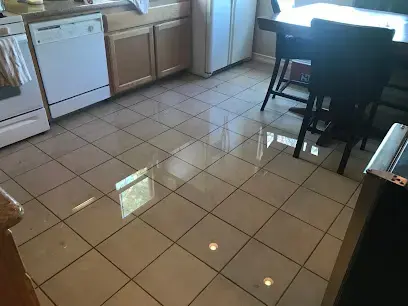
First steps for appliance leak cleanup
- 1
Turn off the appliance valve
Washer valves sit behind the machine; dishwasher and fridge valves are usually under the sink.
- 2
Unplug the appliance
Only if the outlet and floor around it are dry.
- 3
Pull out what you safely can
Towels behind and under the appliance slow the spread.
- 4
Open cabinet doors
Air helps, but water under cabinet floors still needs measuring.
How appliance leak cleanup is handled
Checking under the cabinets
The walkthrough tech reads moisture under toe kicks, cabinet floors and nearby walls, where kitchen leaks usually hide.
Drying cabinets in place
The drying team removes toe kicks and uses injected air into cabinet bases, which often saves the cabinets.
Handling drain water correctly
Washer and dishwasher drain water is Category 2, so the mitigation team cleans and treats affected surfaces before drying.
What does appliance leak cleanup cost in San Marcos, CA?
In San Marcos, CA, appliance leak cleanup typically runs $700 to $4,800, depending on whether the water was clean supply water or drain water, how far it spread under cabinets and flooring, and how long it went unnoticed.
For a closer planning number, try the water damage cost calculator.
The appliance leak cleanup process in San Marcos
- 1
Map
Moisture readings under cabinets, flooring and walls.
- 2
Extract
Water pulled from floors and cabinet bases.
- 3
Dry in place
Injected air and dehumidification save cabinets where possible.
- 4
Verify
Readings logged daily until the drying goal is met.
The leaks that hide behind appliances
A burst washer hose moves a lot of water fast, but the more common San Marcos call is slower: an ice-maker line cracked behind the fridge, a dishwasher drain loose under the sink, or a supply stop weeping for weeks. In townhomes and upstairs laundry rooms, that water ends up in the ceiling below.
- Rubber washer hoses older than about five years
- Plastic ice-maker tubing kinked behind the fridge
- Dishwasher supply and drain connections under the sink
- Cabinet floors that feel soft or have swollen edges
Saving the cabinets
Particleboard cabinet floors swell once they soak up water, so time matters. The drying team pulls the toe kicks, drills small holes where needed and injects dry air into the cabinet bases while dehumidifiers pull moisture out of the room. Laminate or vinyl plank floors that trapped water often need to come up so the subfloor or slab can dry.
Prevention and references
Braided stainless hoses, a washer pan with a drain, and a leak sensor under the sink cut the risk. CPSC recall listings cover appliance recalls, and EPA WaterSense covers household leak checks. When the leak came from a fridge line in a condo, also see condo and townhome water damage.
Appliance leak cleanup across San Marcos
The San Marcos restoration crew covers the whole city, including San Elijo Hills, Discovery Hills, Lake San Marcos, Twin Oaks Valley, Santa Fe Hills, Old Creek Ranch, plus ZIP codes 92069, 92078, 92079, 92096, and the edges of Escondido, Vista and Carlsbad.
See every area and ZIP coveredAppliance leak cleanup questions
Kitchen and laundry leaks tend to hide under cabinets and flooring long after the floor looks dry.
(888) 450-9281Can my kitchen cabinets be saved?
Often, if drying starts before the particleboard swells. Toe kicks come off and dry air is injected into the cabinet bases while dehumidifiers run.
Is washer water dirty?
Drain water from a washer or dishwasher is Category 2, meaning it carries some contamination, so affected surfaces are cleaned and treated before drying. Supply-line water starts as Category 1.
Why does the floor need to come up?
Vinyl plank and laminate trap water underneath. If readings show the subfloor or slab is wet, the planks come up so it can dry.
How long does drying take?
A kitchen or laundry leak usually dries in two to four days. Leaks under cabinets or into a ceiling below may take longer.
Is appliance leak damage covered?
Sudden failures are often covered for the water damage, while long, slow leaks may be excluded. Coverage depends on your policy, so it is worth checking with your own insurer.
Which hoses should I replace?
Rubber washer hoses and plastic ice-maker tubing are the usual weak points. Braided stainless replacements and a leak sensor are inexpensive protection.
Appliance leak soaking a San Marcos kitchen or laundry?
The mitigation team measures under the cabinets and dries them in place wherever the readings allow.