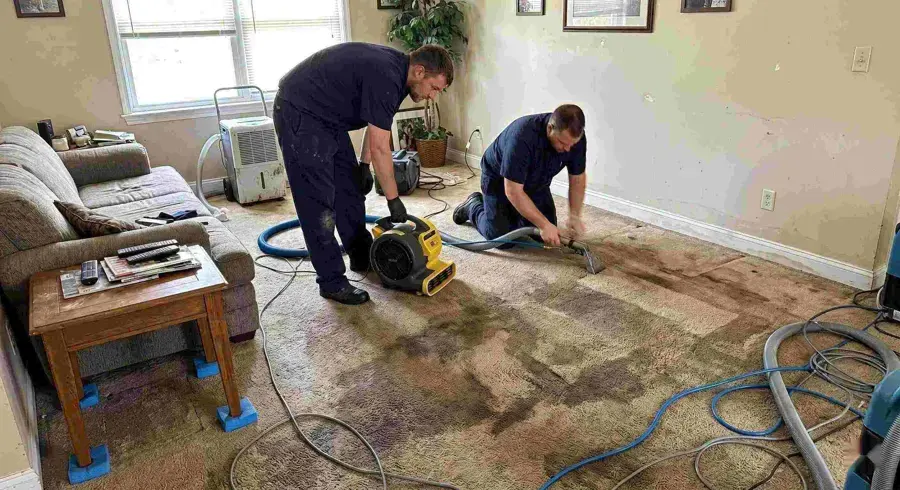
Water Damage Restoration San Marcos, CA
24/7 water damage restoration in San Marcos, CA. The restoration team extracts standing water, dries the structure to the IICRC S500 standard and documents every step for your insurance claim.
(888) 450-9281Water spreading in San Marcos? Call nowSlab leaks, burst pipes, storm runoff and sewage backups, from San Elijo Hills to Twin Oaks Valley.
What to do while the water is still moving
- 1
Shut the main
Close the main shutoff, usually by the front hose bib or in the garage.
- 2
Cut wet circuits
Switch off breakers for wet rooms, only if the panel is dry.
- 3
Stay clear
Keep out of standing water near outlets and appliances.
- 4
Photograph it
Take wide and close photos before moving anything.
- 5
Lift and call
Get rugs and boxes off the floor, then call for extraction.
Mold can start growing in 24 to 48 hours, so drying that begins in the first day saves the most flooring, drywall and cabinetry.
Water Damage Restoration Services in San Marcos, CA
Each service below has its own page with first steps, typical costs and how the restoration team handles it, from a single wet room to a flooded commercial floor.
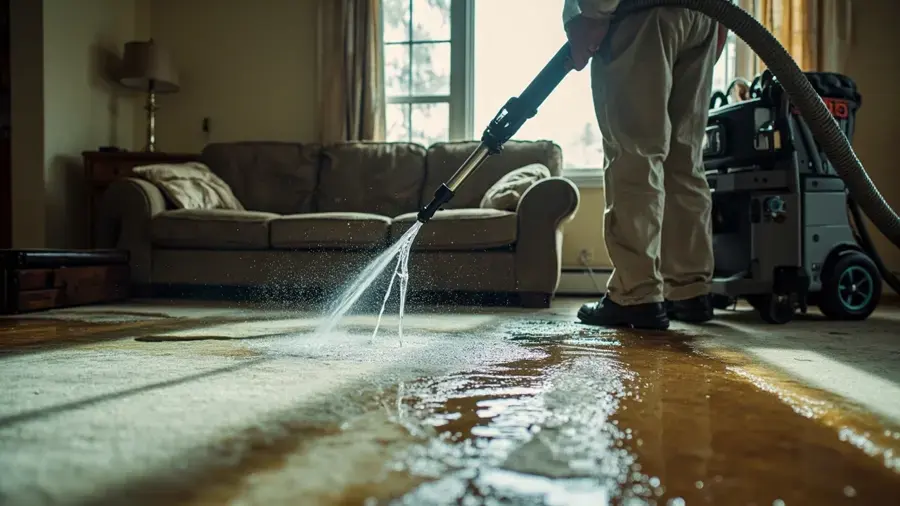 Water ExtractionTruck-mounted pump-out of standing water, the first move on every loss.View service
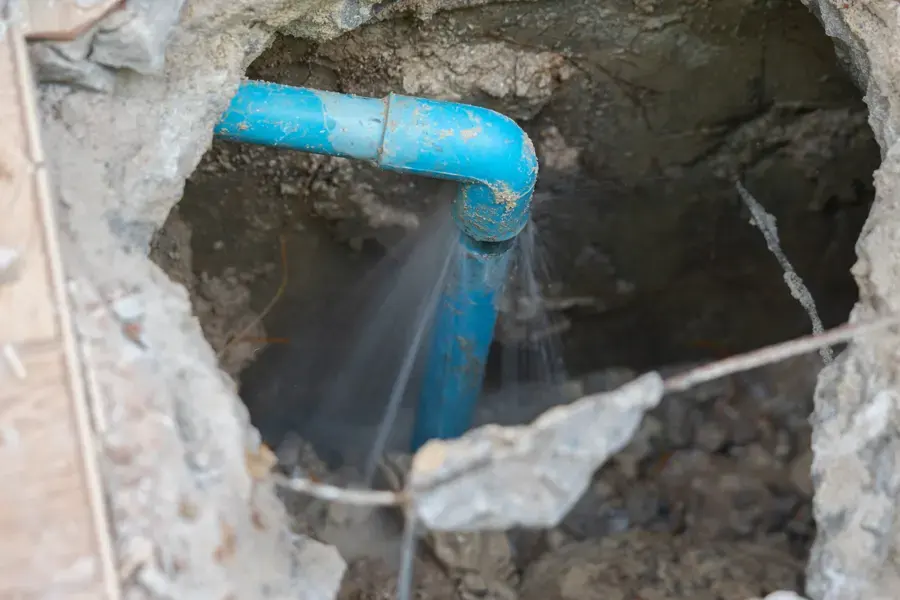 Slab Leak Water DamagePinhole copper under the slab, wet flooring lifted and the slab dried.View service
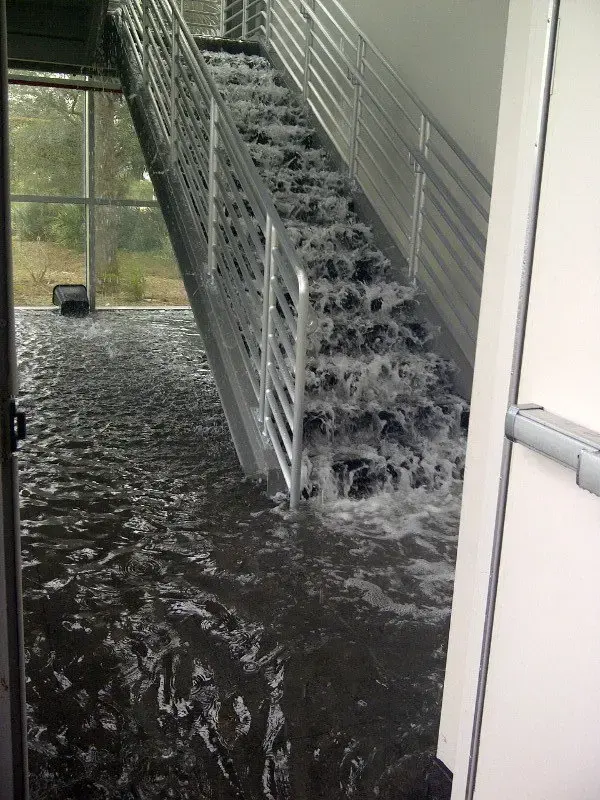 Burst Pipe CleanupFailed supply lines and fittings, extracted and dried inside the cavity.View service
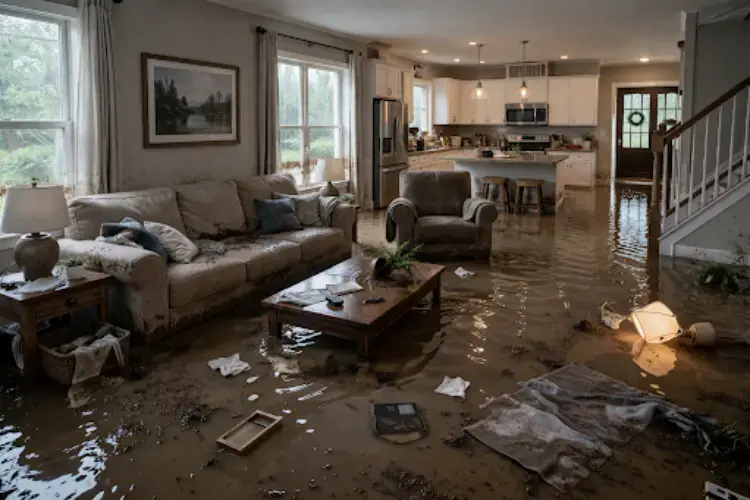 Storm Runoff Flooding CleanupHillside runoff and creek flooding, cleaned and dried as Category 3 water.View service
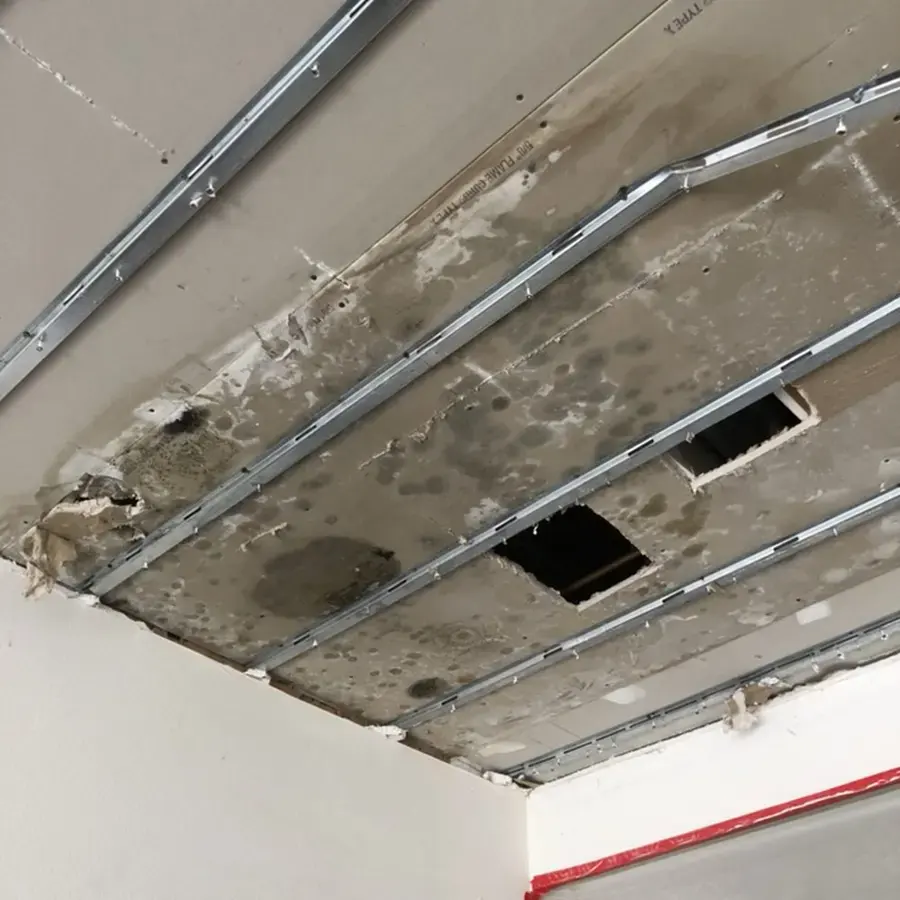 Roof Leak Water DamageTile-roof underlayment and flashing leaks, attic and ceiling dried out.View service
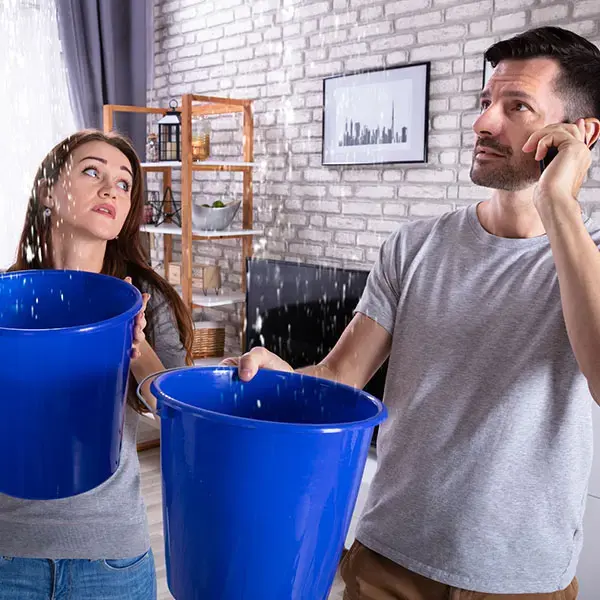 Ceiling Leak Water DamageUpstairs bathrooms and units above, traced, opened and dried.View service
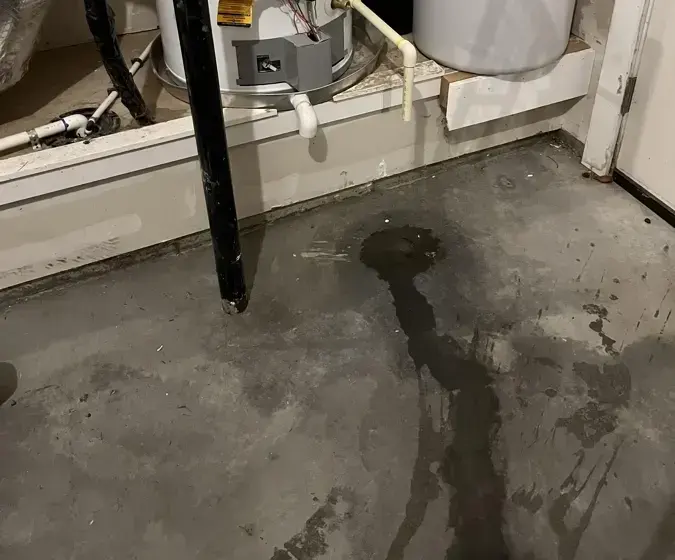 Water Heater Leak CleanupGarage and closet tank failures, extracted and the nearby walls dried.View service
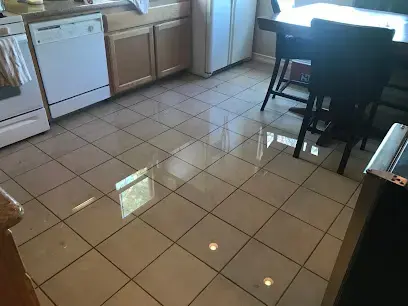 Appliance Leak CleanupWasher, dishwasher and ice-maker line failures, dried under the cabinets.View service
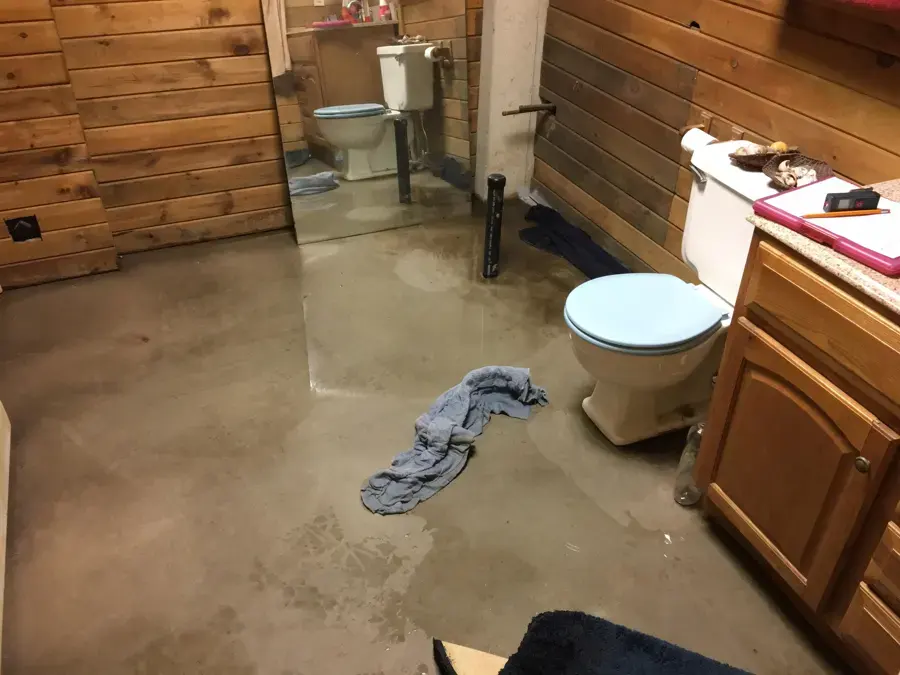 Toilet Overflow CleanupBowl overflows cleaned, disinfected and dried, including the ceiling below.View service
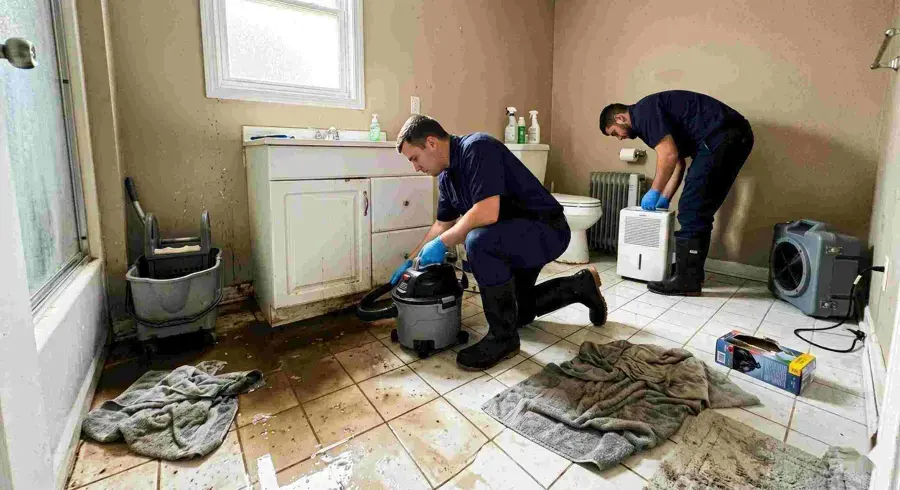 Sewage Backup CleanupCategory 3 backups contained, removed, disinfected and dried.View service
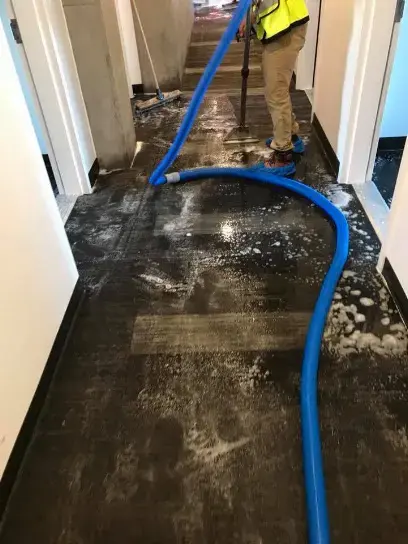 Condo and Townhome Water DamageUnit-to-unit leaks near CSUSM and Palomar, traced and dried.View service
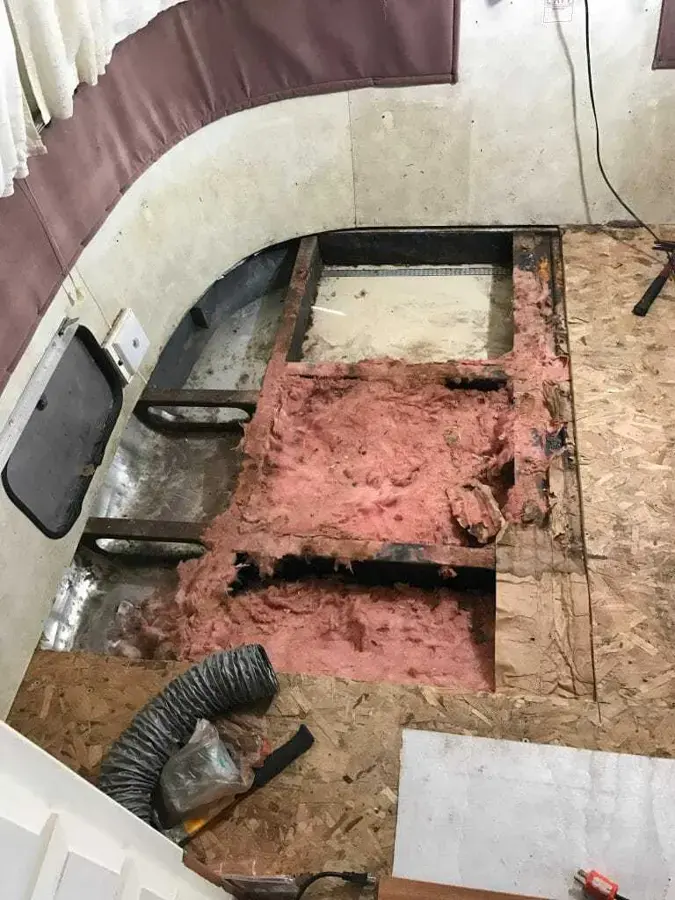 Mobile Home Water DamageBelly insulation and particleboard subfloors in manufactured homes, dried.View service
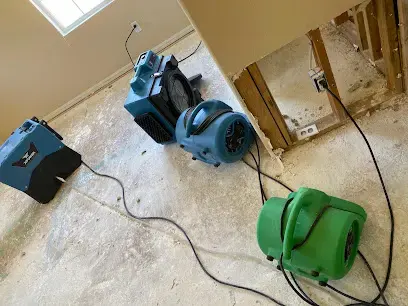 Structural DryingSlab, framing and wall cavities dried to a verified reading.View service
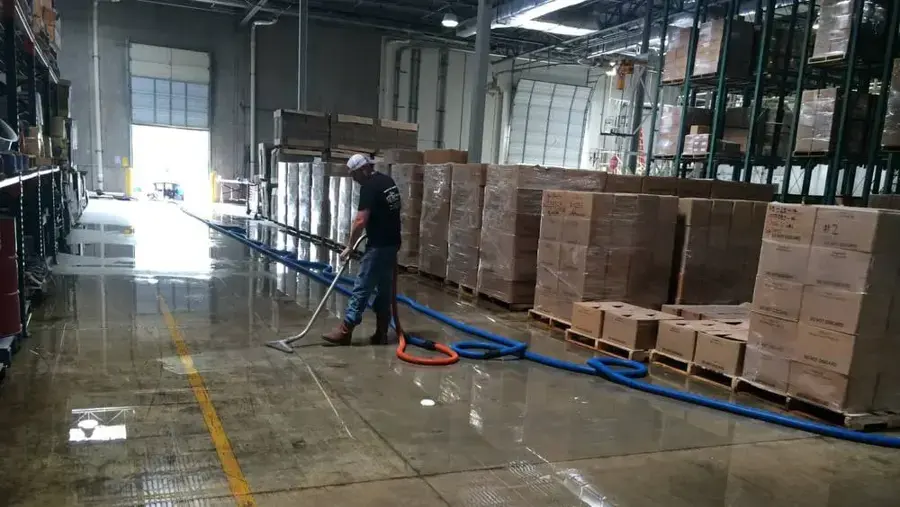 Commercial Water DamageOffices, retail, warehouses and student housing, dried with less downtime.View service
Water damage dried to the IICRC S500 standard
What separates a finished dry-out from a cosmetic one is the order of the work. In San Marcos the drying team follows the same sequence on every loss:
- 1
Moisture mapping
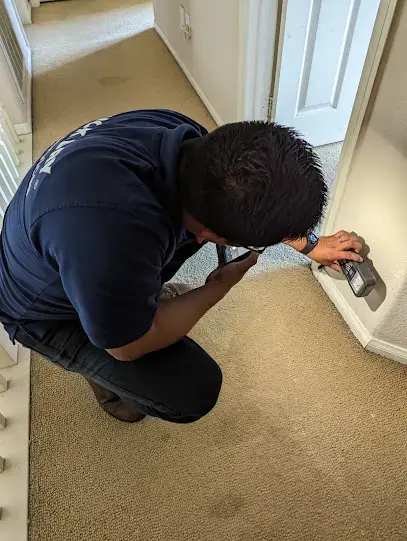
The tech who does the walkthrough maps wet materials with meters and a thermal camera before any equipment goes down.
- 2
Extraction
The extraction crew pulls standing water with truck-mounted suction, so it leaves the building instead of moving to the next room.
- 3
Air movers and LGR dehumidifiers
Equipment is set to each room's evaporation load; desiccants dry dense Class 4 materials.
- 4
Daily readings
The drying team records moisture and psychrometric readings every day and moves equipment as areas dry.
- 5
Dry verification
Equipment leaves when wet materials sit within 2 to 4 points of a dry reference, not when they look dry.
All water damage categories covered in San Marcos, CA
Category 1, 2 and 3 water are handled differently, and the category is set before any cleanup starts.
Category 1, clean water
Supply lines, water heaters and slab leaks. Extracted and dried in place when drying starts fast.
Category 2, gray water
Washer and dishwasher drains, toilet bowl water. Soaked surfaces are cleaned and treated before drying.
Category 3, black water
Sewage and storm runoff. Contained, porous materials removed, surfaces disinfected.
Sewage backup cleanupWhat does water damage restoration cost in San Marcos, CA?
In San Marcos, CA, water damage restoration typically runs $900 to $12,000, depending on the water category, the square footage affected, the material class and how fast drying started.
- Category: clean water costs least; sewage costs most
- Square footage and number of rooms
- Material class: carpet dries faster than hardwood or concrete
- Time: drying started in the first day saves material
Get a planning number with the water damage cost calculator.
Drying timeline and the drying goal
A contained loss usually dries in three to five days. Hardwood, plaster and concrete slabs take longer because water has to travel through denser material.
The goal is a number, not a date: wet materials within 2 to 4 points of a dry reference in the same building. Equipment leaves on readings, not on a schedule, and repairs start after that.
Documentation for your insurance claim
- The moisture map from day one
- Daily psychrometric and material readings
- Timestamped photos before any demolition
- The category and class of the loss, plus a line-item scope
Sudden and accidental discharge is treated differently from rising surface water, which falls under flood coverage. Coverage depends on your policy, so it is worth checking with your own insurer.
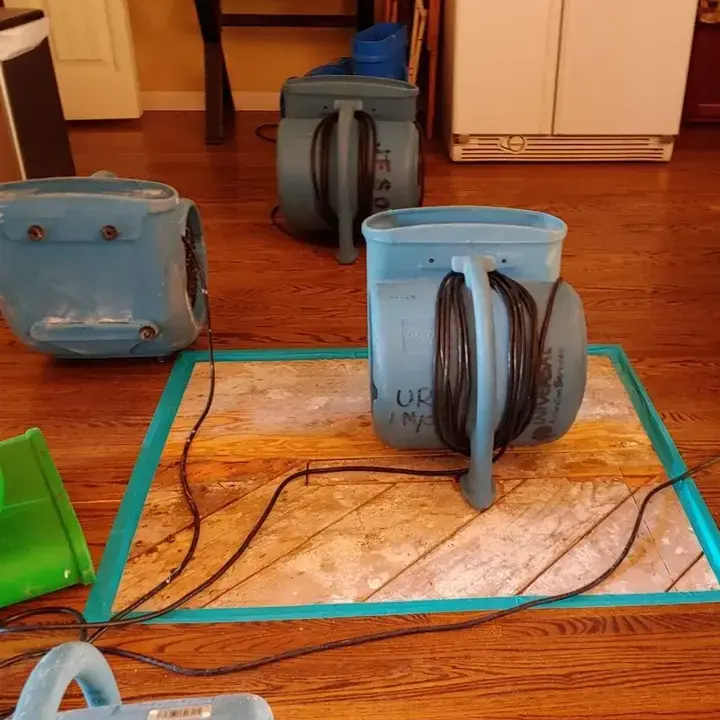
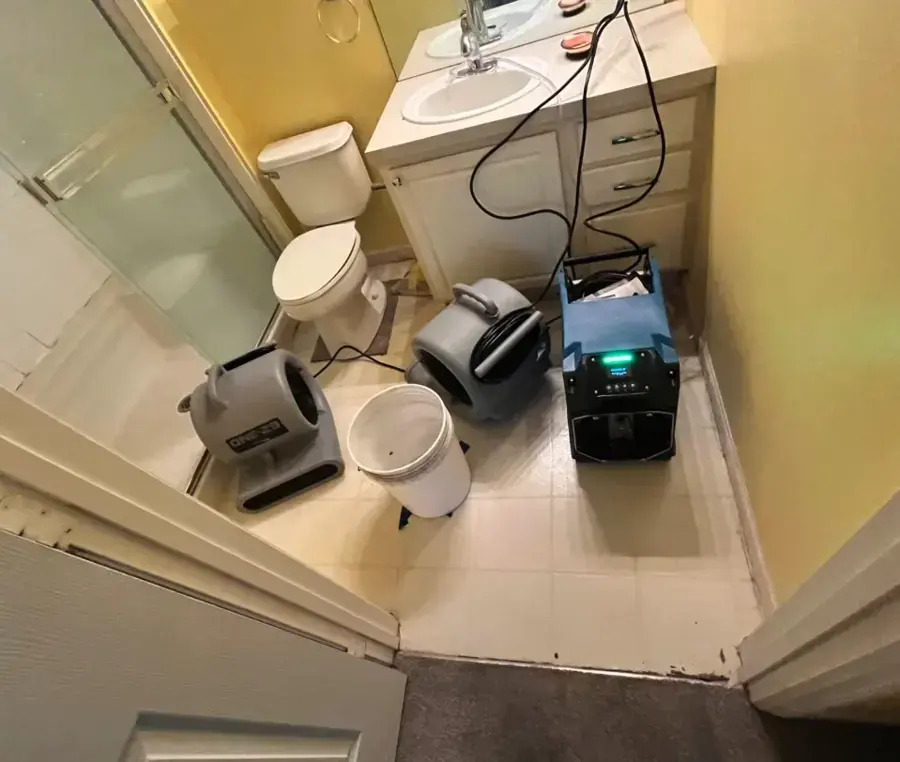
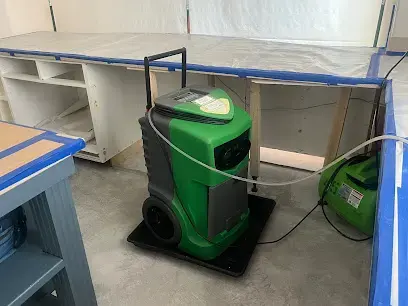
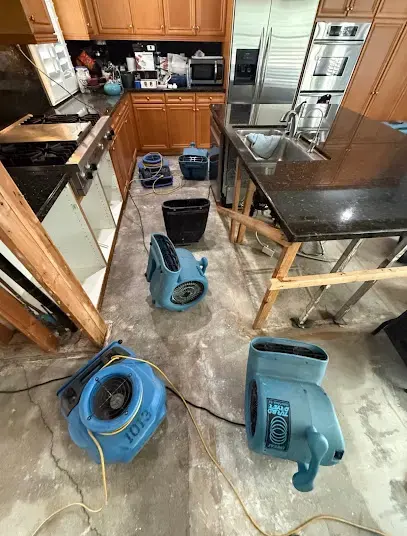
What a water damage dry-out looks like in San Marcos
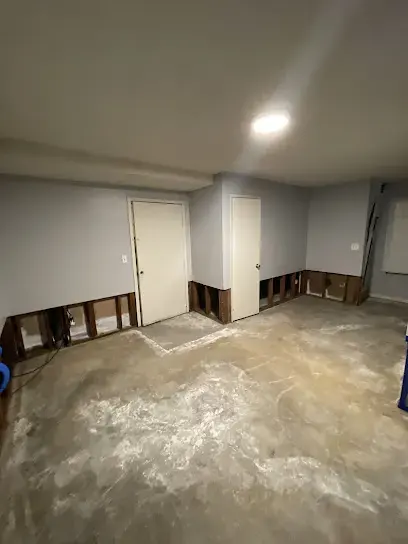
One call reaches San Marcos water damage pros, 24/7
San Marcos water damage pros answer day or night, ask which rooms and which level are wet, and send the equipment the loss needs: extraction units, air movers and dehumidifiers.
Rapid local response
Active water is treated as urgent across all of San Marcos.
IICRC S500 drying standard
Drying is set up and verified with measurements.
Claim-ready documentation
Moisture maps, daily logs and photos for the adjuster.
Local water experts
Slab leaks, hillside runoff and stacked-unit leaks are routine here.
San Marcos Water Damage Restoration
San Marcos, CA · any hour, any day
(888) 450-9281Talk to the drying team tonightWater damage in San Marcos, CA: the local risk profile
San Marcos grew fast from the late 1970s through the 2000s, between Double Peak, the Merriam Mountains and San Marcos Creek. Most homes here are dry for months at a time, so a failing pipe or a tired roof often goes unnoticed until it lets go. Three patterns drive most water losses:
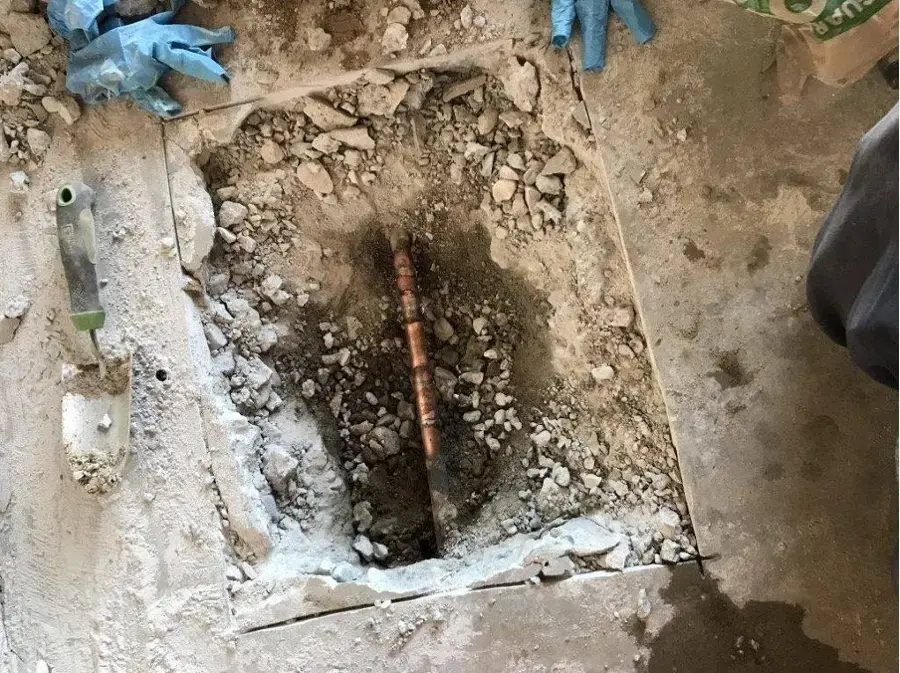
- Slab leaks: copper supply lines under slab-on-grade tract homes wear thin from hard imported water.
- Winter runoff: short, heavy storms send water off graded slopes and push San Marcos Creek up through the Creek District.
- Stacked housing: condos, townhomes and rentals near Cal State San Marcos and Palomar College leak from one unit into the next.
Areas served in and around San Marcos
- San Elijo Hills
- Discovery Hills
- Lake San Marcos
- Twin Oaks Valley
- Santa Fe Hills
- Old Creek Ranch
- Richland
- Coronado Hills
- University District
- Creek District
- Escondido
- Vista
- Carlsbad (La Costa)
- Valley Center
- Bonsall
- Rancho Santa Fe
San Marcos water damage questions
Straight answers about drying, costs and insurance for San Marcos homes and businesses.
(888) 450-9281How fast can someone respond in San Marcos?
San Marcos water damage pros answer day or night and treat active water as urgent, weekends and holidays included. Water keeps spreading into flooring and walls, so the first call matters more than the first repair.
What should I do first while the water is still spreading?
If it is safe, close the main water shutoff, turn off power to wet rooms from a dry panel, stay out of standing water near outlets, photograph the damage and lift rugs and boxes off the floor. Then call.
What causes most water damage in San Marcos?
Slab leaks in aging copper supply lines, failed supply hoses and water heaters, leaks between stacked condo and townhome units, and runoff during short, heavy winter storms are the most common causes here.
How long does drying take?
A contained Class 1 loss, one room with low-porosity materials, usually dries in three to five days. Hardwood, plaster and concrete take longer. Equipment leaves when readings meet the drying goal, not on a set date.
What is IICRC S500?
IICRC S500 is the industry standard for professional water damage restoration. It covers how water is categorized, how drying is set up and how the end of drying is verified with measurements.
Is water damage covered by insurance?
Sudden and accidental water, like a burst supply line, is commonly covered under homeowners policies, while rising surface water falls under flood coverage and slow leaks are often excluded. Coverage depends on your policy, so it is worth checking with your own insurer.
When does drywall have to come out?
Drywall usually comes out when it sagged, stayed wet too long, or was touched by Category 3 water such as sewage or floodwater. Drywall wet with clean water and dried quickly can often stay.
Why is sewage handled differently?
Sewage is Category 3 water from the first minute. The area is contained, porous materials it touched are removed, and surfaces are cleaned and treated with an EPA-registered antimicrobial before drying.
How is the cost calculated?
The main drivers are the water category, the square footage affected, the material class and how fast drying started. The cost calculator gives a planning range before anyone opens a wall.
What is the difference between mitigation and repair?
Mitigation stops the damage: extraction, removal of ruined materials and drying. Repair, such as new drywall, paint and flooring, starts after readings show the structure is dry.
Water in a San Marcos home right now?
The extraction crew pulls the water, the drying team dries to the IICRC S500 goal, and every step is documented.